DA NANG
Arriving in Da Nang, we were absolutely blown away — what a great place. Think Asian Surfers Paradise, but a lot cheaper and a lot friendlier. First tip: download the Grab app before you land. It's like Uber, and it'll get you around the city for next to nothing — short trips run about $5 NZD, and we never paid more than $17 NZD for any Grab ride, no matter how far.
Then there's the adventure of actually crossing the road. You just walk out into it — in front of cars, bikes, buses, all of it — and they flow around you. The trick is to keep a steady pace and not run, because if you speed up or stop suddenly, they can't judge where you're going to be. In most Western countries you'd get the middle finger, a horn blast, or someone actively trying to run you over. Here, they look after each other, and it only works because everyone commits to it — same as the way they drive generally. Once you trust the system, it's actually a pretty good one. They've got the right idea.
We checked into our hotel, the Sala, and it was magnificent. Great staff throughout, including Tram and Them, who looked after us really well. We headed straight up to the rooftop infinity pool, which also has a great Japanese restaurant attached — the view over the beach from up there is something else. After settling in we went for a walk outside, and the beach itself is fantastic, lined with restaurants and bars, locals out exercising, and vendors selling the usual sunglasses and hats. One tip: always make sure the free breakfast is included in your package before you book — it's massive, with a spread covering pretty much every breakfast food you could want.
Da Nang was a major disembarkation point for US troops during the Vietnam War — the first American combat troops came ashore here in 1965. The beach itself, My Khe, was nicknamed “China Beach” by American and Australian soldiers and used as an R&R spot, later made famous by the 1988 TV series of the same name. We walked the real thing, which was a pretty cool piece of history to stand on.
The local beer of choice is Huda (pronounced “Hooter”), and it's a good drop — a pint will set you back about $2.50 NZD at the hotel, or roughly half that from the convenience store across the road. We took a real liking to it, and it stayed our beer of choice all the way through Da Nang and into Hoi An. There are also pickleball courts nearby you can hire if you're keen for a game.
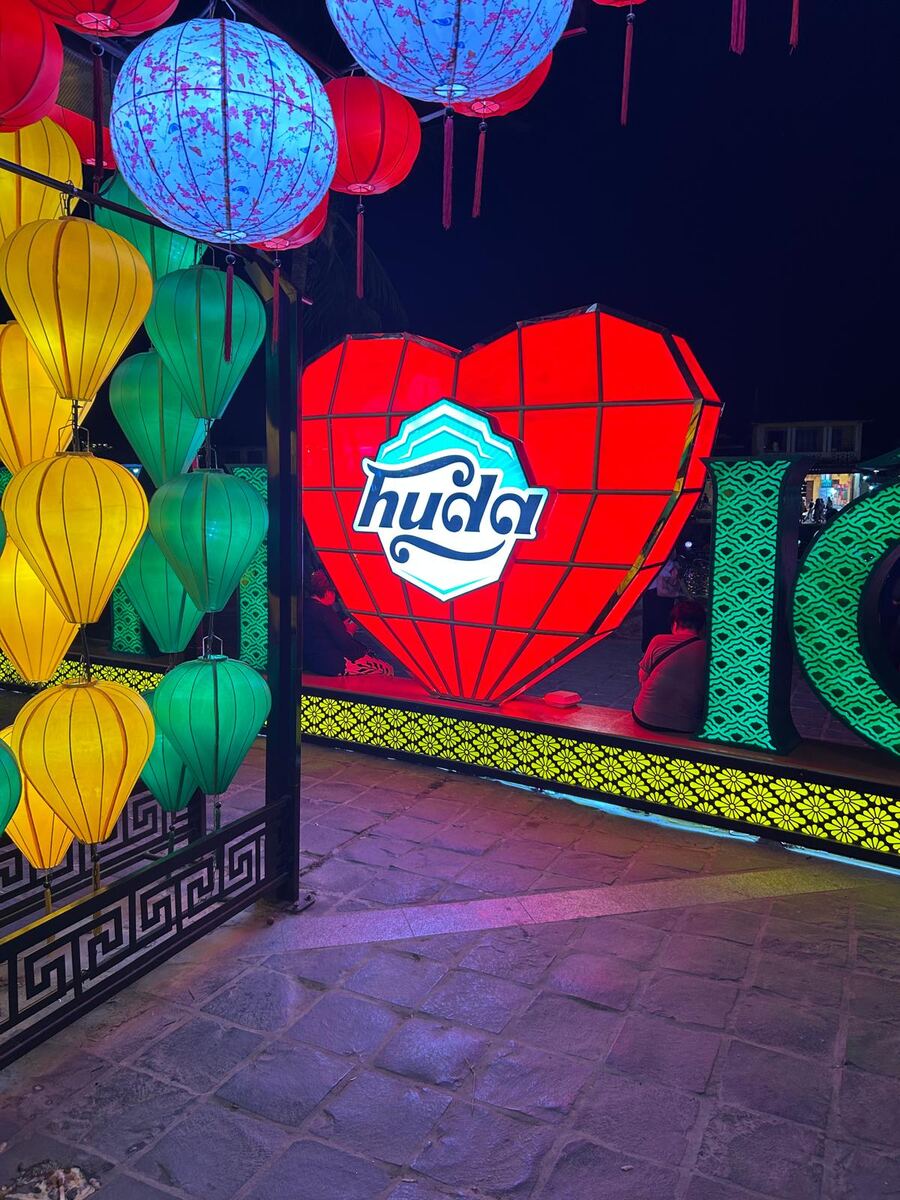
For shopping, there are three good markets close by — Con Market, Han Market, and the night market — all about a $5–8 NZD Grab ride away. This is where you'll find all the "replica" goods: North Face, Patagonia, and plenty more, plus sunglasses of every brand going. We were told locals shop at Con Market, but once you find the right price everywhere else, there's not much in it — you'll end up haggling over a dollar either way. Rough pricing guide: a North Face puffer vest for $34 NZD, Prada or Ray-Ban glasses for $10 NZD, good branded t-shirts for $13 NZD (cheap tourist ones for $5 NZD), and genuinely good Adidas Samba shoes for $34 NZD. There's a huge range of shoes to choose from, and even more selection once you get to Hanoi, so it's worth holding off if you're after something specific.
On packing: you won't need any cold weather gear. Just bring lightweight trousers (vendors sell them right at the gates of some temples if you turn up without) so you can visit the temples, which are well worth it, and a rain jacket for the odd quick downpour. Take your mosquito repellent too — when we were sitting on the beanbags at the beach bar one night, we got eaten alive and didn't even notice until the next morning. From then on, repellent became part of the routine every time we hit the beach or the golf course. We did all the usual tourist stops, which are cheap and easy to get to — the Military Museum in Da Nang was eye-opening and well worth visiting early in the trip, as it gives you a real understanding of what the people of this country have been through.
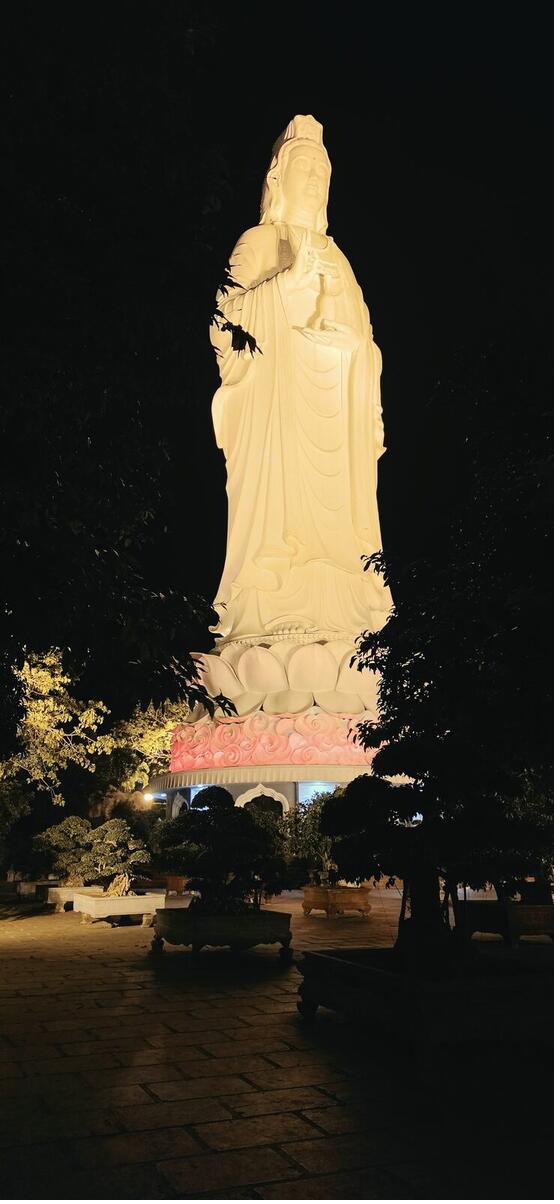
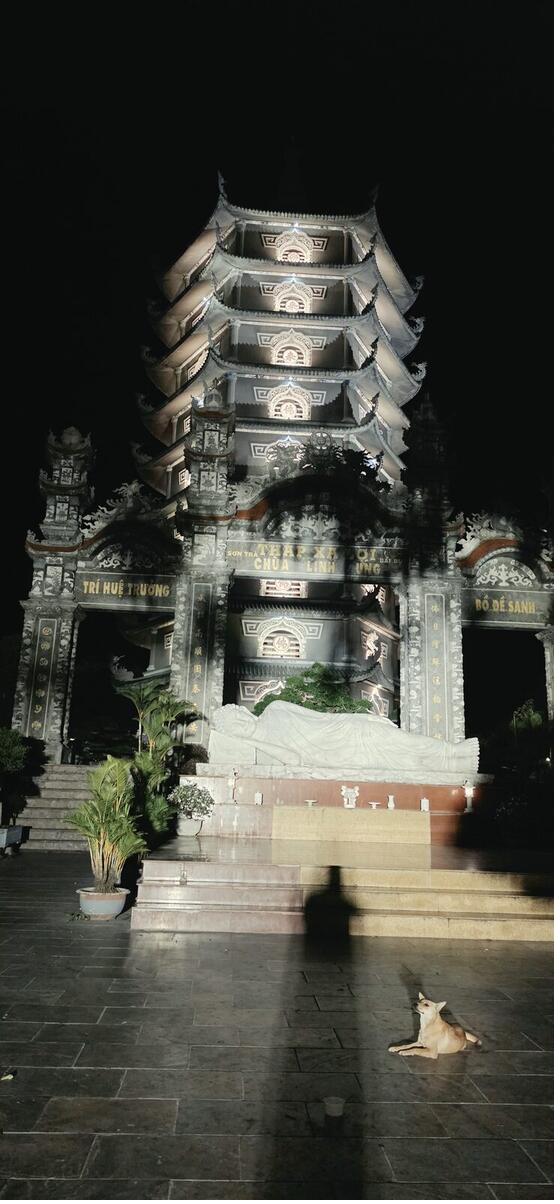
One stop worth making time for is the Lady Buddha and the gardens at Linh Ung Pagoda, out on the Son Tra Peninsula. At 67 metres tall, she's the tallest Buddha statue in Vietnam, and the grounds around her are calm, peaceful, and genuinely worth the visit — a must if you're in Da Nang. We went at night, so it was quiet, apart from a few stray dogs that weren't especially friendly. If you've had any issues with dogs before, it could be a bit unsettling, so worth knowing before you go. You'll get the chance to see plenty of temples over a Vietnam trip, and most require long trousers to enter. Any time we knew we were visiting one, we made sure to wear them — and if you turn up without, some temples have people selling trousers right at the gate.